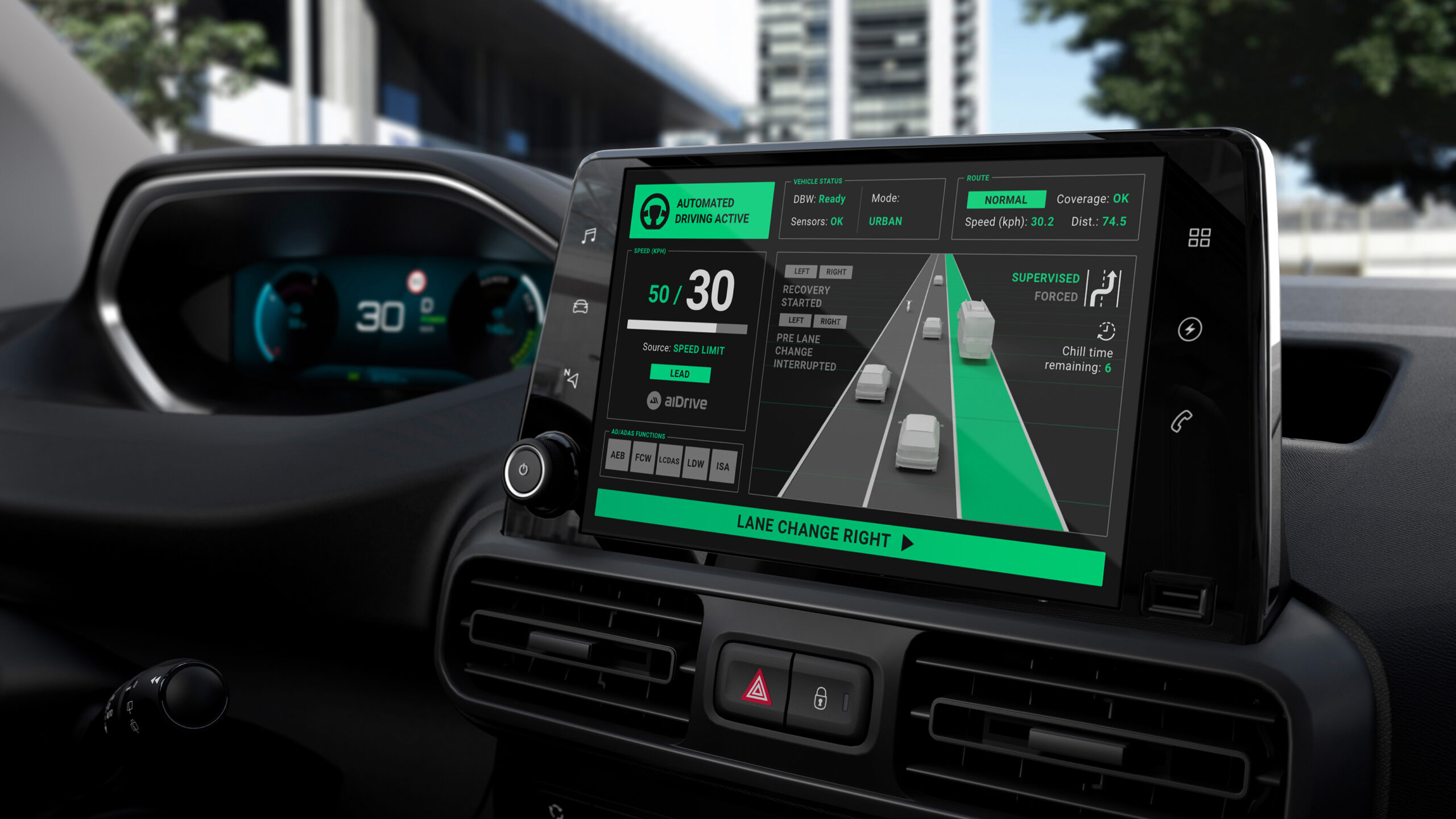

- Today’s Level 2 driver-assist systems still require full attention at all times.
- Reaching L4 autonomy demands huge computing power without any human input.
- Micron CEO Sanjay Mehrotra says this tech will need significantly more RAM.
If you’re a gamer, a video editor, or even just a casual enjoyer of tech products, you’ll likely know that the demand for RAM, thanks to AI, is driving up prices as fast as the war in Iran is driving up oil prices. But it may not be just data centers gobbling up memory: driverless cars may be coming for it too.
At least, that’s the prediction from Micron CEO Sanjay Mehrotra, made on a company earnings call. He predicts that the coming generations of Level 4 self-driving cars and advanced robots might demand over 300GB of RAM each. That is a huge leap compared to what’s found in current cars with Level 2 ADAS that can consume approximately 16GB.
Read: Super Cruise Took Hands Off The Wheel, Now GM Wants To Take Your Eyes Off The Road
Truly driverless cars are not yet widespread. The majority of modern cars employ systems such as adaptive cruise control and lane keeping assist. These systems are based on cameras and sensors, yet they still presuppose that a human being will remain in control.
A Jump In Driverless Tech
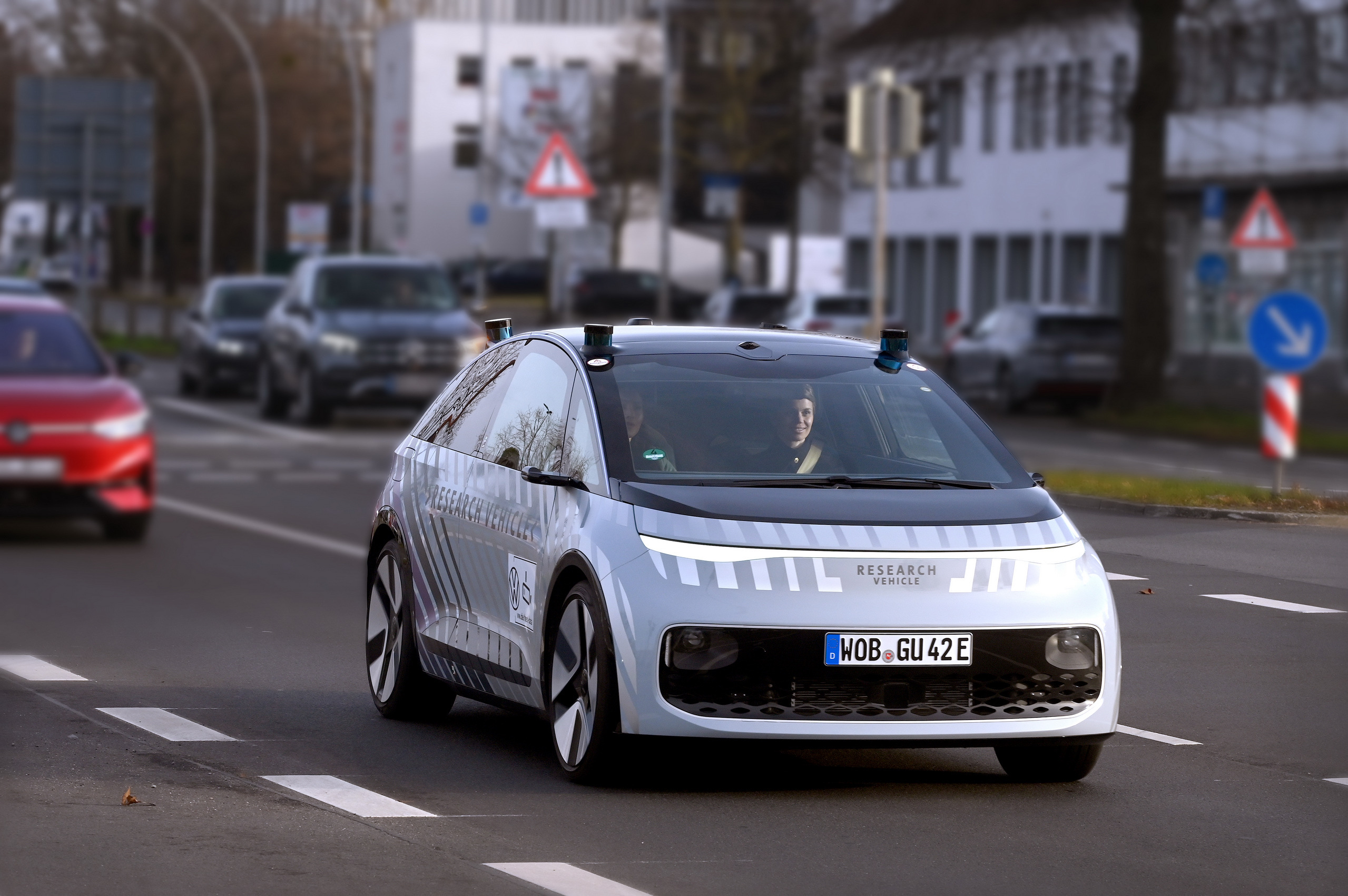
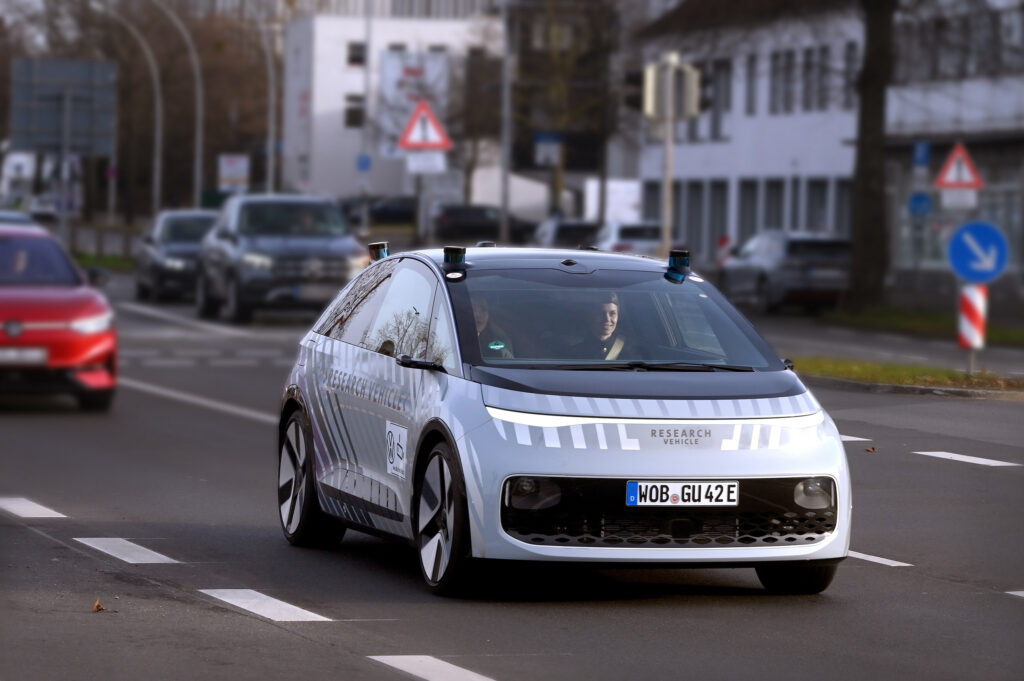
Fully autonomous cars are different. They are expected to analyze information from more than two cameras, radar devices, lidar, detailed maps, and artificial intelligence models simultaneously. Every millisecond counts. That type of real-time decision making takes much more memory than is available in current designs.
With that in mind, autonomous vehicles may look like small data centers in motion. Level-4 systems, which are capable of acting independently on the designated areas, have no alternative but to interpret the environment all the time, assume movement, and react immediately.
The criticality of memory is associated with the fact that it enables AI models to operate effectively, accepting numerous streams of incoming data. The lack of sufficient RAM may also impose performance bottlenecks on safety and reliability.
This change is indicative of broader trends in artificial intelligence. Large-scale AI applications are already driving the demand for memory in servers and data centers. Pressure is now moving to physical devices. According to Micron, the company has recently reported a big increase in revenue which was driven by the demand for DRAM products related to AI uses. A significant expansion of that trend may be onto the automotive and robotics markets.